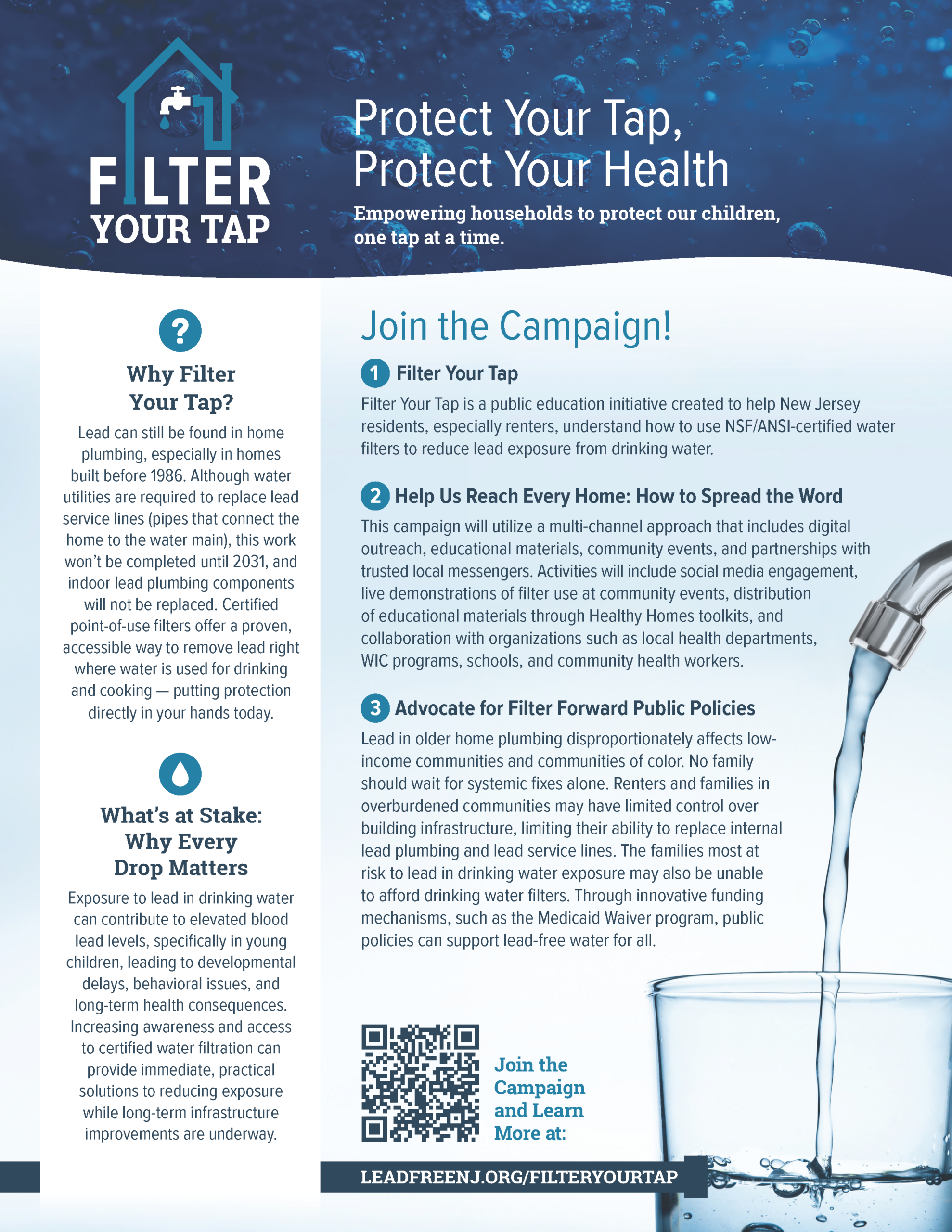
Filter Your Tap
Join the Campaign
Why Filter Your Tap?
What’s at Stake: Why Every Drop Matters
Filter Your Tap
Filter Your Tap is a public education initiative created to help New Jersey residents, especially renters, understand how to use NSF/ANSI-certified water filters to reduce lead exposure from drinking water. Download our helpful brochure.
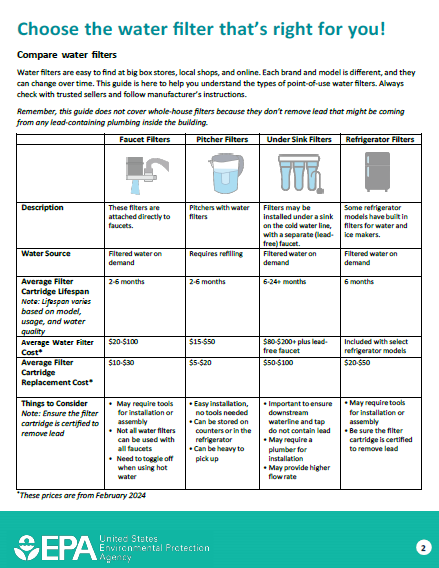
Your filter must be NSF certified to NSF/ANSI Standard 53 for lead reduction and NSF/ANSI Standard 42 for particulate reduction. These filters can typically remove up to 99% of lead.
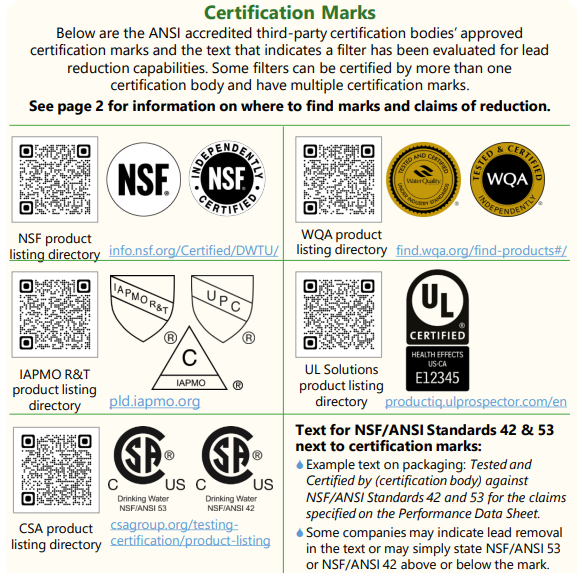
Image source: US EPA Consumer Tool for Identifying Filters Certified to Reduce Lead in Water
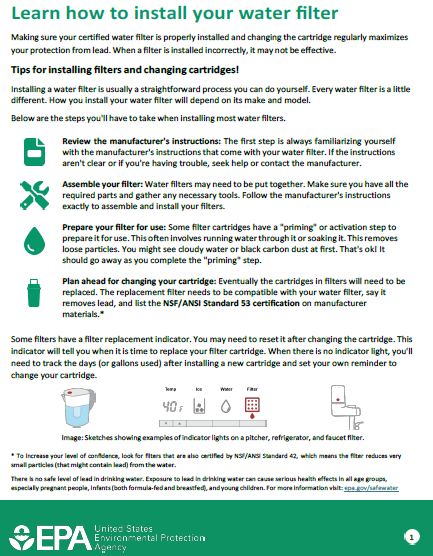
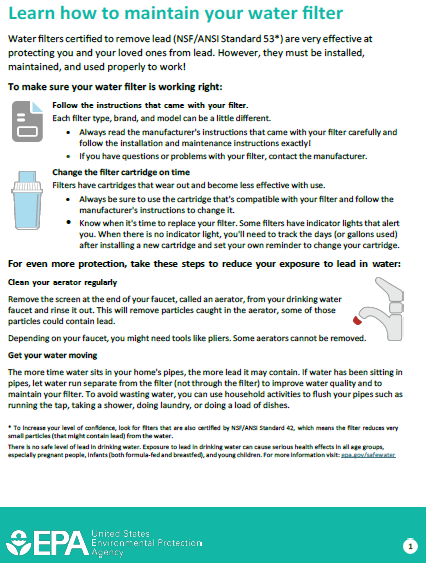
You should always follow the instructions provided with your product.
Prep Your Filter or Faucet: Some pitcher filters require a brief soak prior to use. For faucet mounts, unscrew the existing aerator (the mesh screen) and washer from the tip of your sink faucet.
Install/Insert Filter: Secure the mount to your faucet, click the filter into your fridge, or drop the cartridge into your pitcher.
Flush the system: Run cold water through the new filter for several minutes (or fill and discard the first 2-3 pitchers) to prime the cartridge for use.
Enjoy & Replace: Use cold water for peak protection. Most filters last 2 to 6 months; to ensure your water stays lead-free, replace the cartridge according to the manufacturer’s schedule.
Be sure to read all instructions, always replace used/expired filters on time, and do not run hot water through the filter.
Help Us Reach Every Home: How to Spread the Word
This campaign will utilize a multi-channel approach that includes digital outreach, educational materials, community events, and partnerships with trusted local messengers. Activities will include social media engagement, live demonstrations of filter use at community events, distribution of educational materials through Healthy Homes toolkits, and collaboration with organizations such as local health departments, WIC programs, schools, and community health workers.
Advocate for Filter Forward Public Policies
Lead in older home plumbing disproportionately affects low-income communities and communities of color. No family should wait for systemic fixes alone. Renters and families in overburdened communities may have limited control over building infrastructure, limiting their ability to replace internal lead plumbing and lead service lines. The families most at risk to lead in drinking water exposure may also be unable to afford drinking water filters. Through innovative funding mechanisms, such as the Medicaid Waiver program, public policies can support lead-free water for all.
Filter First for NJ Schools
Filtering at the point of use provides a lower-cost remediation mechanism for schools and childcare facilities with lead exposure from internal plumbing. Read the Filter First white paper by the Jersey Water Works Lead in Drinking Water Advisory Committee.

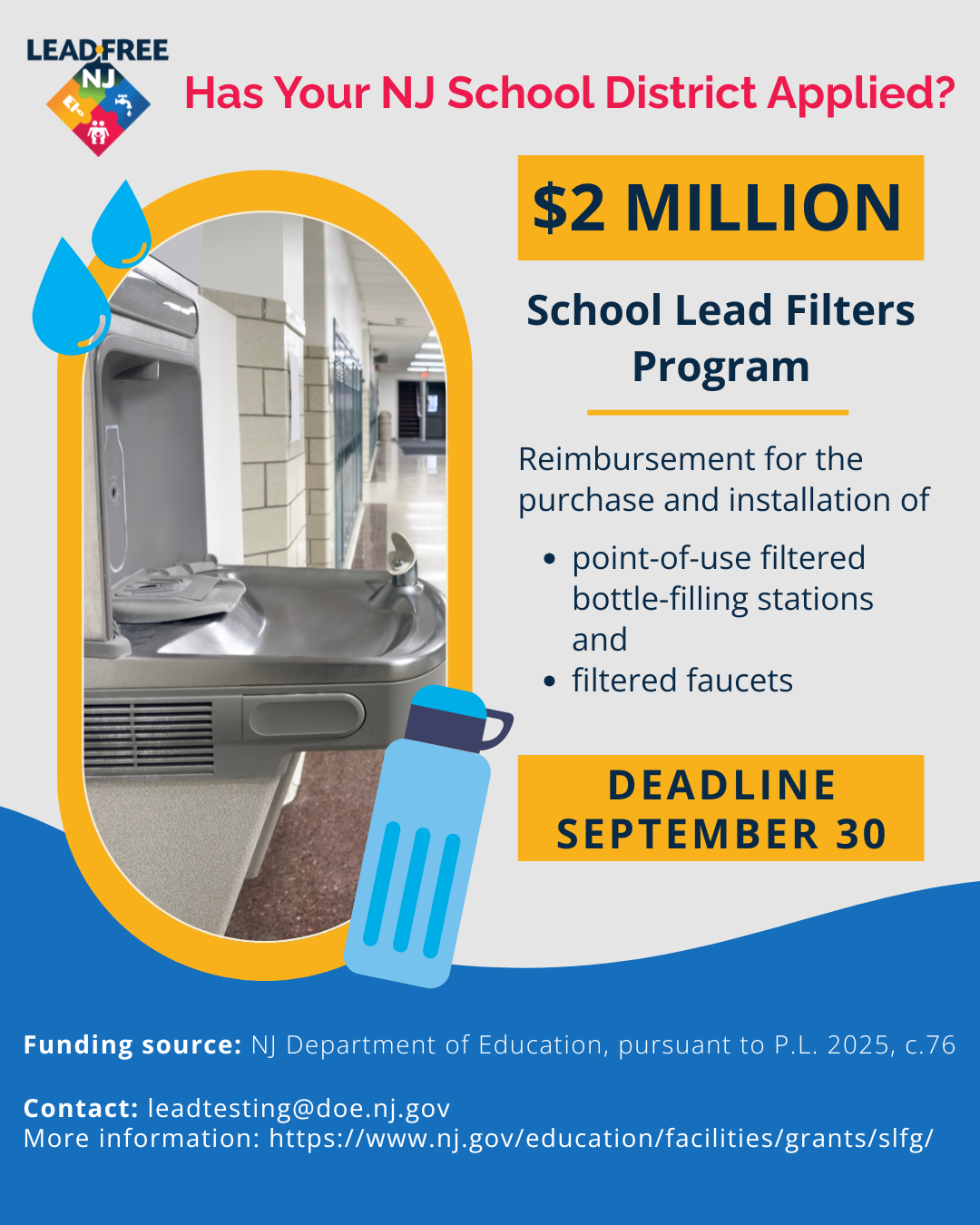
Schools can fund initial “Filter First” activities by applying for the School Lead Filters Program by September 30, 2026. Every NJ public school district has a funding allocation from the NJ Department of Education for reimbursement of point-of-use filtered bottle-filling stations and filtered faucets certified to reduce lead.
More Resources

Filtre el agua de su grifo (Spanish)
Filtre Dlo Wobinèt Ou a (Haitian Creole)
কলের পানি পরিশোধন করুন (Bengali)
فلتر صنبورك (Arabic)
Filtre el agua de su grifo (Spanish)
Filtre Dlo Wobinèt Ou a (Haitian Creole)
কলের পানি পরিশোধন করুন (Bengali)
فلتر صنبورك (Arabic)
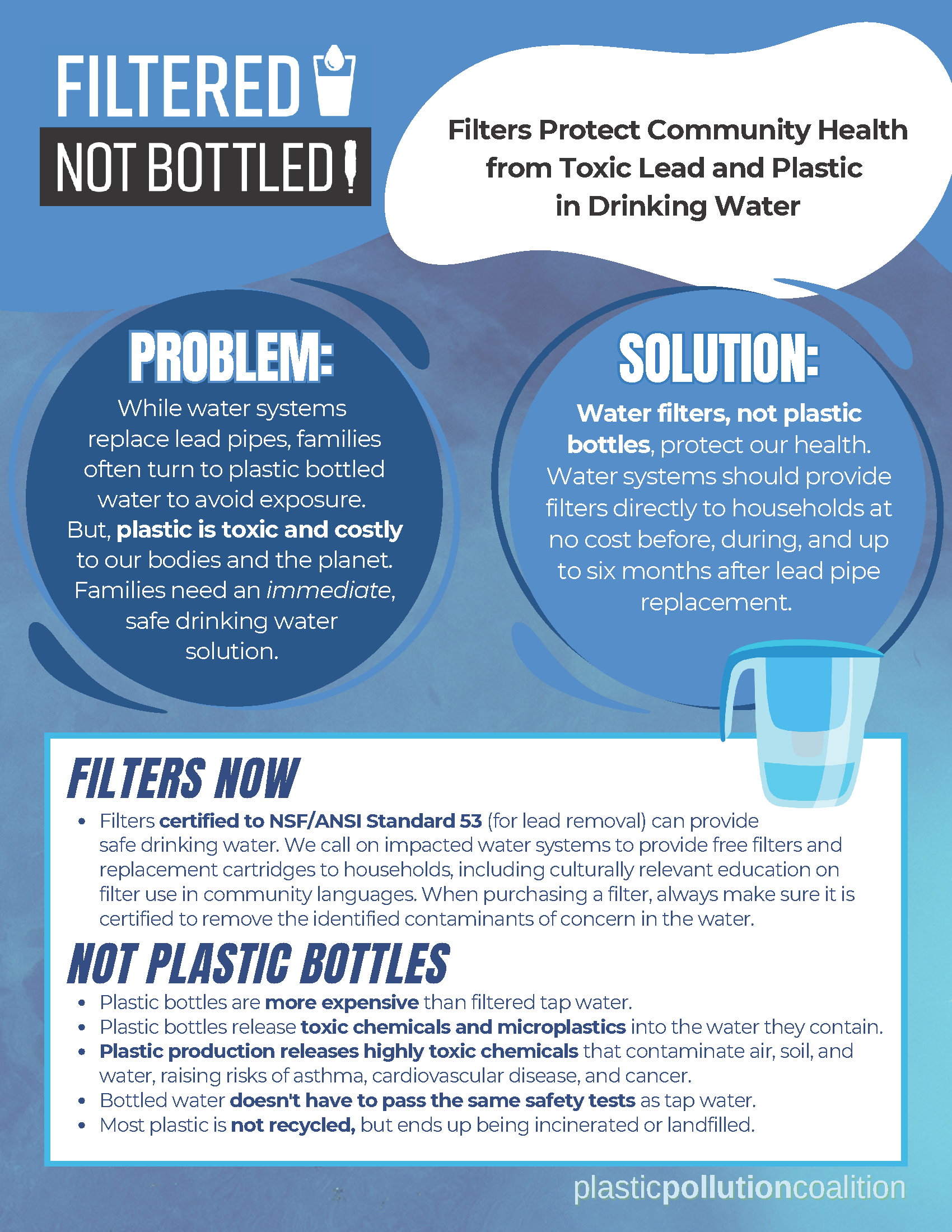
Plastic Pollution Coalition Filtered Not Bottled campaign champions water equity by advocating for filtered water, not single-use plastic water bottles: https://www.plasticpollutioncoalition.org/projects/filterednotbottled
US Environmental Protection Agency Water Filter Education Handouts – Educational resources to help community members properly use and maintain water filters: https://www.epa.gov/water-research/water-filter-education-handouts